Project Overview
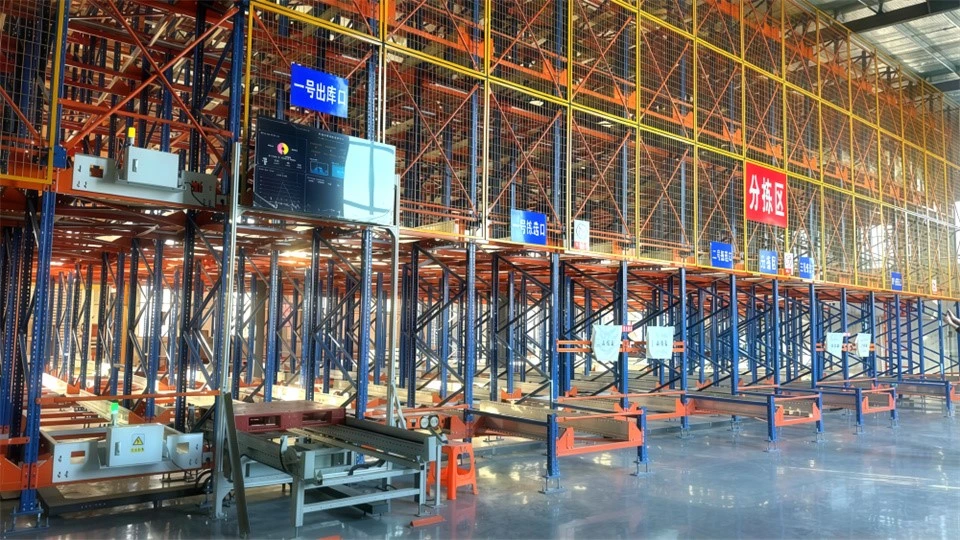
This project involves an automated food warehouse designed for a third-party logistics (3PL) provider, primarily handling palletized beer and beverage products. As a 3PL facility handling goods for multiple customers, the warehouse needs to support centralized storage, daily inbound and outbound operations, and order picking. Efficient space utilization and well-organized material flow are therefore essential to its operations.
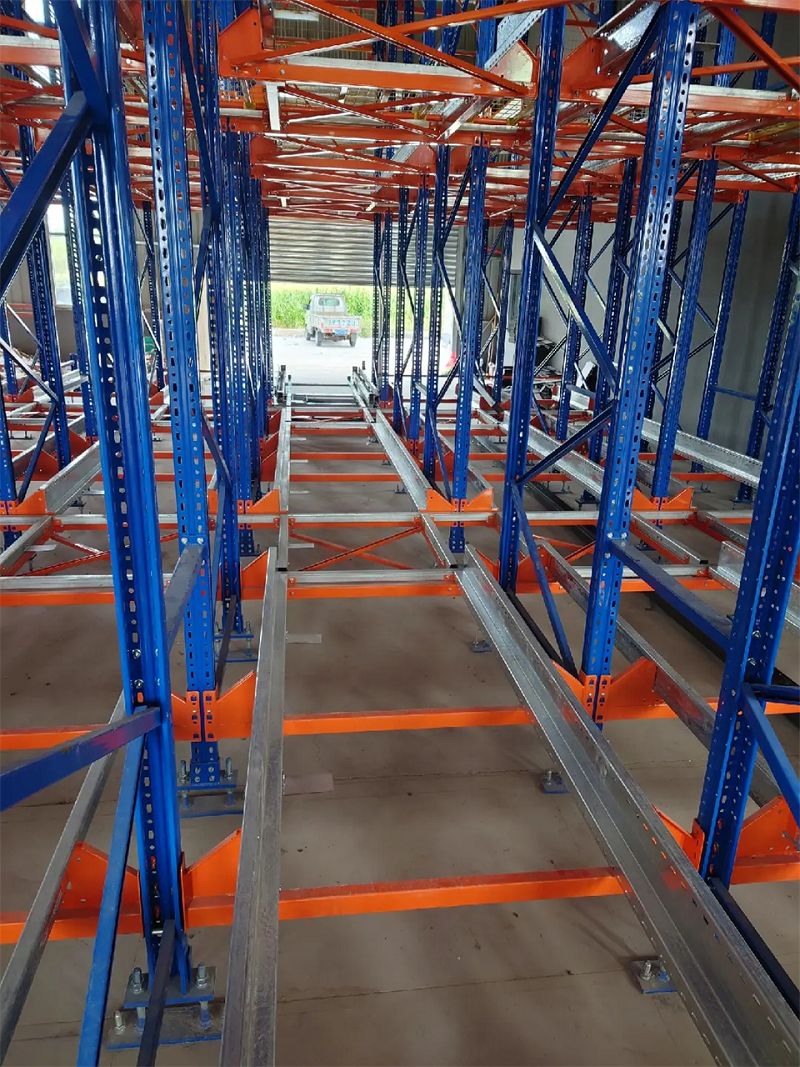
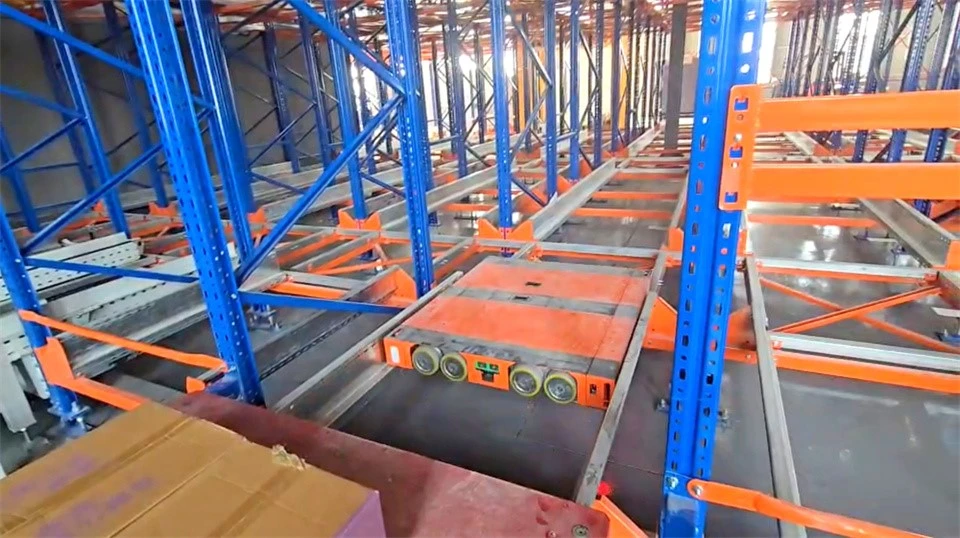
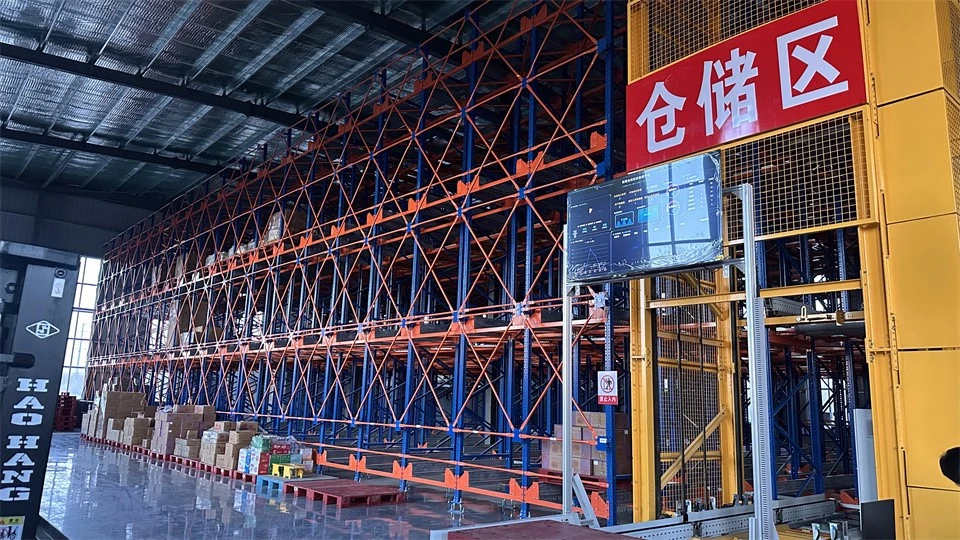
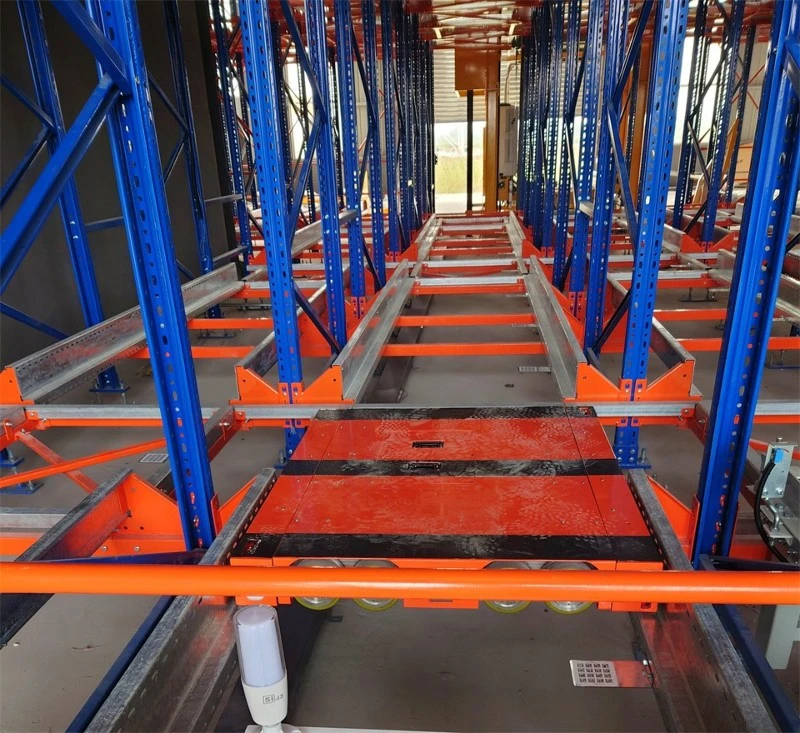
The warehouse covers approximately 1,400 m², with a building height of 10 meters. Goods are stored on pallets, with a rated load of 1,000 kg per pallet position. Based on the building conditions, cargo specifications, and operational workflow, GD designed a four-way shuttle AS/RS featuring four-level shuttle racking, three four-way shuttles, and two lifts, providing approximately 680 available pallet positions.
Project Specifications
|
Item |
Specifications |
|
Industry |
Third-Party Logistics (3PL) |
|
Application |
Beer and Beverage Storage |
|
Warehouse Floor Area |
Approx. 1,400 m² |
|
Warehouse Height |
10 m |
|
Rated Load per Pallet Position |
1,000 kg |
|
Racking Type |
Four-Level Four-Way Shuttle Racking |
|
Available Pallet Positions |
Approx. 680 |
|
Lifts |
2 units |
|
Four-Way Shuttles |
3 units |
|
Shuttle Speed |
0.8~1m/s |
|
Acceleration |
0.3 m/s² |
|
Charging Time |
2–3 hours |
|
Operating Time per Charge |
6–8 hours |
|
Safety Protection |
Route deviation protection, positioning fault protection, component fault protection, communication fault protection, and obstacle detection radar. |
System Configuration
GD provided an integrated automated warehousing solution combining storage equipment, material handling systems, and in-house developed warehouse management software. The system consists of a racking system, four-way shuttle system, inbound and outbound handling system, and WMS/WCS software system.
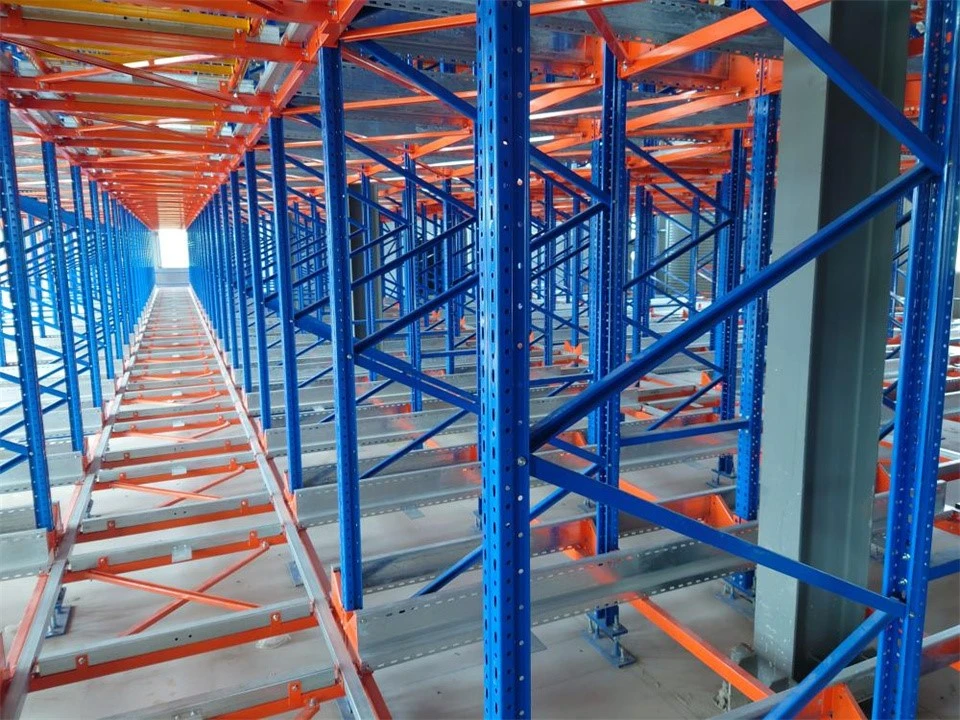
• Racking System: Four-level four-way shuttle racking provides high-density storage for palletized beer and beverage products.
• Four-Way Shuttle System: Three four-way shuttles handle pallet transportation, direction changes, storage, and retrieval within the racking area.
• Inbound and Outbound Handling System: Comprising conveyors, dimensioning equipment, weighing equipment, barcode readers, and two lifts. Conveyors handle pallet transportation, dimensioning and weighing equipment check cargo dimensions and weight, barcode readers capture product identification data, and the lifts provide vertical transfer between operating levels.
• WMS/WCS Software System: Developed in-house by GD, the WMS (Warehouse Management System) manages inventory information, storage location allocation, inbound and outbound tasks, and stock status. The WCS (Warehouse Control System) handles equipment task allocation, operational scheduling, and workflow coordination, dispatching four-way shuttles and lifts to carry out assigned tasks. Together, the two systems connect warehouse management with on-site equipment operations.
Solution Features
1. Four-Level High-Density Storage
The four-level racking layout maximizes the use of available vertical space. Four-way shuttles move in multiple directions within the storage area, enabling flexible pallet handling and high-density storage for beer and beverage products.
2. Separate Inbound and Outbound Areas
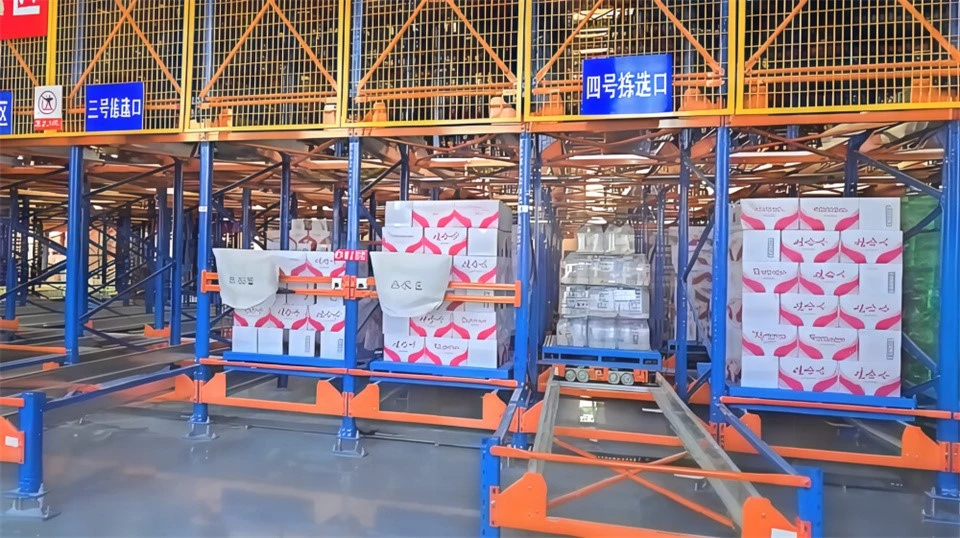
Inbound and outbound areas are located at opposite ends of the racking system. The inbound area handles goods receiving, while the outbound area is designated for order picking and dispatch. This layout creates a clear workflow and helps minimize interference between different operations.
3. Integrated Hardware and Software Operations
GD's in-house developed WMS and WCS work together to coordinate warehouse operations and automated equipment. The WMS manages inventory and warehouse tasks, while the WCS translates operational instructions into equipment-level tasks.
Project Results
1. Increased Storage Capacity Within Limited Space
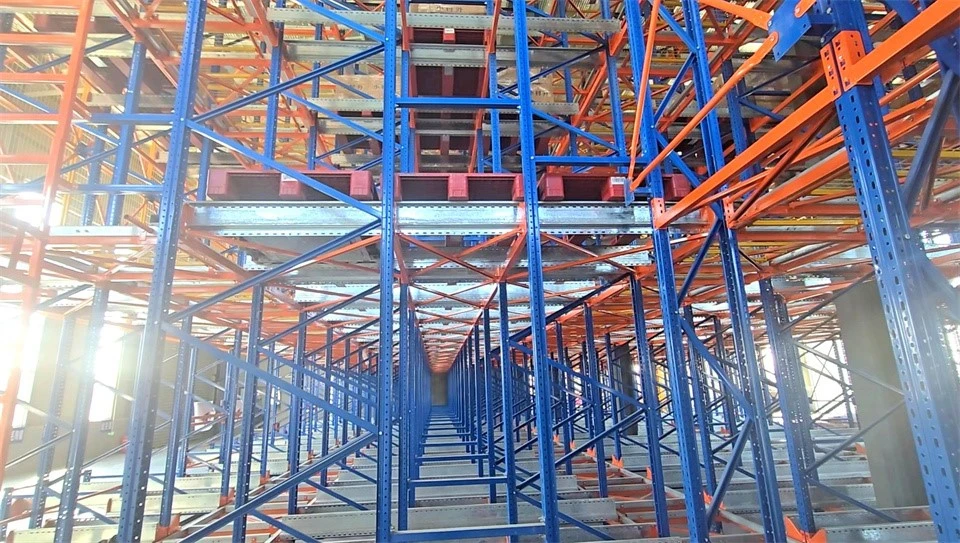
The four-level shuttle racking system provides approximately 680 pallet positions within the 1,400 m² warehouse. By making use of vertical space and enabling multi-directional pallet handling, the solution accommodates a large volume of palletized beer and beverage products within the available footprint.
2. Streamlined Inbound and Outbound Workflow
The separate inbound and outbound areas establish a clear flow from goods receiving and storage to retrieval, picking, and dispatch. The outbound area also serves as a dedicated picking zone, allowing retrieved goods to be sorted before dispatch. This arrangement helps organize warehouse operations and supports more orderly order fulfillment.
3. Reduced Manual Handling and Increased Automation
Four-way shuttles automate pallet storage and retrieval within the racking area, while lifts handle vertical transfers between operating levels. Together with the conveyor system, these automated processes reduce the need for manual handling and forklift movement, improving the level of automation in daily warehouse operations.
4. Coordinated Warehouse Management and Equipment Scheduling
GD's in-house developed WMS and WCS connect inventory management, storage location allocation, inbound and outbound tasks, and equipment scheduling. This integration enables coordinated management of warehouse information and on-site equipment, supporting the daily storage and turnover of goods from multiple customers and batches.
The project delivers an integrated automated warehousing solution that combines high-density pallet storage, automated material handling, and intelligent warehouse management for 3PL food logistics operations.