Your Leading Steel Platform Supplier
The company was formerly known as Nanjing GD intelligent Warehousing Equipment Co., Ltd., which was established in 2006. GD Intelligent Technology (Nanjing) Co., Ltd. was established in 2018. It is a leading provider of overall intelligent warehousing and logistics solutions in China, dedicated to offering efficient and intelligent logistics products and digital industry solutions through technologies such as the Internet of Things, artificial intelligence, and biometric recognition.
We focus on the research and development as well as manufacturing of high-performance shelves and intelligent shuttle vehicles and other warehousing equipment.
-
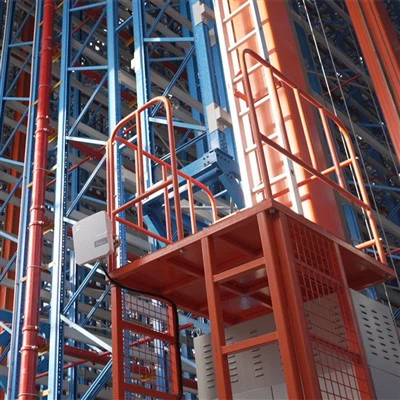
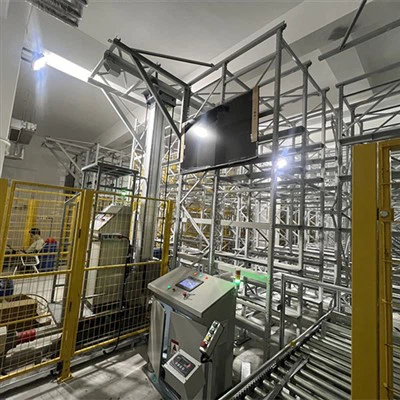
![Warehouse Steel Platform]() Warehouse Steel PlatformWarehouse steel platform is a structured storage system that fully utilizes the upper level space of a warehouse. It significantly improves the space utilization and operational efficiency of the...view more
Warehouse Steel PlatformWarehouse steel platform is a structured storage system that fully utilizes the upper level space of a warehouse. It significantly improves the space utilization and operational efficiency of the...view more -
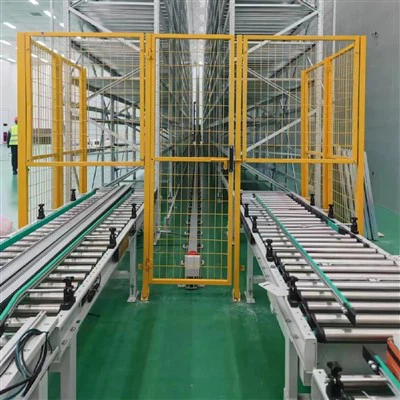
![Steel Structure Equipment Platform]() Steel Structure Equipment PlatformOur Steel Structure Equipment Platform is a multi-layered three-dimensional work platform composed of uprights, beams, floor panels, stairs, and guardrails. It is framed as a whole with uprights,...view more
Steel Structure Equipment PlatformOur Steel Structure Equipment Platform is a multi-layered three-dimensional work platform composed of uprights, beams, floor panels, stairs, and guardrails. It is framed as a whole with uprights,...view more -
![Multi-level Steel Platform]() Multi-level Steel PlatformOur Multi-level Steel Platform is a fully assembled industrial work platform that converts warehouse vertical space into storage areas by constructing multi-layer steel structures. It utilizes...view more
Multi-level Steel PlatformOur Multi-level Steel Platform is a fully assembled industrial work platform that converts warehouse vertical space into storage areas by constructing multi-layer steel structures. It utilizes...view more


Why Choose Us?
High quality
Our products are manufactured or executed to very high standards, using the finest materials and manufacturing processes.
Customized services
We understand that each customer has unique manufacturing needs. That’s why we offer customization options to cater to your specific requirements.
Quality control
We have built a professional QC team to accurately inspect every raw material and every process of production.
After-sale service
Professional and thoughtful after -sales team, let you worry about us after -sales Intimate service, strong after -sales team support.
Types of Steel Platform

By Usage
Auxiliary production platforms: These platforms are used for lighter tasks, such as storing tools and materials or supporting small machinery. They are common in factory workshops and designed to carry lighter loads, supporting daily activities.
Production operation platforms: These are built to handle heavier loads and are directly used in production areas. They include:
Medium-duty platforms: Designed for loads between 4.0–8.0 kN, these platforms are ideal for tasks like machine maintenance or general storage in industrial settings.
Heavy-duty platforms: Built for loads over 10.0 kN, these platforms are used in environments with very heavy loads, like steel plants or other heavy industrial operations.
By load type
Static load platforms: These platforms carry fixed, unchanging loads, such as equipment or storage racks. They are commonly found in warehouses and workshops, and their design is simpler since the load doesn’t change.
Dynamic load platforms: These are designed to handle loads that vary, such as those caused by vibrations or impacts. These platforms are essential in environments like steel mills or factories, where equipment or processes create fluctuating loads.
By load size
Light-duty platforms: These platforms typically support loads around 2.0 kN. They are perfect for pedestrian walkways, observation decks, or smaller maintenance areas.
Standard platforms: Designed to handle medium loads (4.0–8.0 kN), these platforms are commonly used for equipment storage, material handling, or general workspaces.
Heavy-duty platforms: These platforms support heavy loads (above 10.0 kN) and are suitable for industries where large machinery or heavy materials need to be managed.
By support methods
Platforms supported by building columns: This is a common and cost-effective design where the building’s structural columns support the platform. It is often used for lighter loads.
Independent support platforms: These platforms are supported by separate columns, offering more flexibility. They are ideal for larger spaces, such as warehouses or areas for heavy machinery maintenance.
Platforms supported by equipment: These platforms are attached to large equipment, using the equipment’s structure for support. They are ideal when the equipment is central to the workspace.
Fully independent platforms: These platforms stand on their own structure, providing strong stability. They are well-suited for large, open spaces or situations where flexible placement of equipment is needed.

Benefits of Steel Platforms
Improved safety
Prevents falls and accidents with strong guardrails and slip-resistant flooring.
Cost-effective space use
Creates extra levels for storage and workstations.
Durability
Resistant to corrosion, heavy loads, and harsh environments.
Flexibility
Can be easily expanded, relocated, or modified.
Sustainability
Made from recyclable steel, reducing environmental impact.
Fast ROI
Quick installation minimizes downtime and boosts productivity.
Applications of Steel Platform
Production workshops:
Expand production space, improve production efficiency, and reduce space waste.
Logistics warehousing:
Increase storage capacity, optimize goods access processes, and improve warehouse management efficiency.
Heavy equipment support:
Provide stable support for large equipment, ensuring operational safety.
Entertainment venues:
Offer customized platforms to enhance audience experience and ensure facility safety.
Custom Process
Discover
Boots on the ground. Conduct an in-person Discovery meeting to meet the team, walk the floor, observe workflows, and understand how the business runs and what the opportunities are.
01
Define
Clarify goals, frame challenges. Work together to identify objectives, operational constraints, and pain points—from safety & throughput to space utilization & uptime. Align on scope & budget.
02
Design
Put the solution together. Conduct application surveys, fleet audits, demos, power studies, and aisle width validations to craft the right solution & implementation plan. Determine fit & impact of automated solutions, including VLMs, AGVs, and AMRs.
03
Decide
Make the case, chart the course. In-person Decision meeting with Partner stakeholders to review recommendations with clear rationale. Establish alignment on the go forward plan and prepare to sprint.
04
Deliver
Get it done. Execute the plan and keep the customer in the loop every step of the way. Initiate Customer Business Reviews. Establish ongoing maintenance plans to drive high uptime.
05
Packaging and transportation


FAQ
We are one of the most professional steel platform manufacturers and suppliers in China, specialized in providing high quality customized service. Please feel free to buy high-grade steel platform made in China here from our factory.