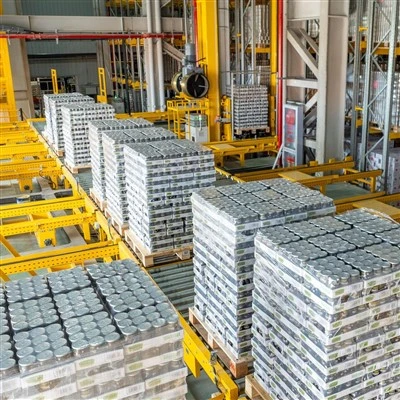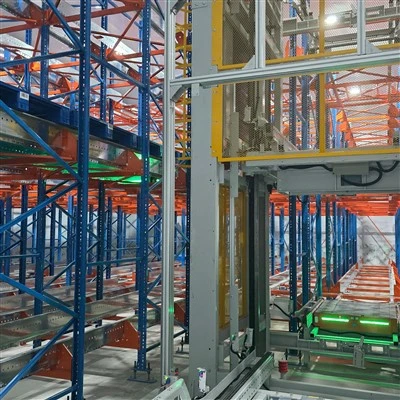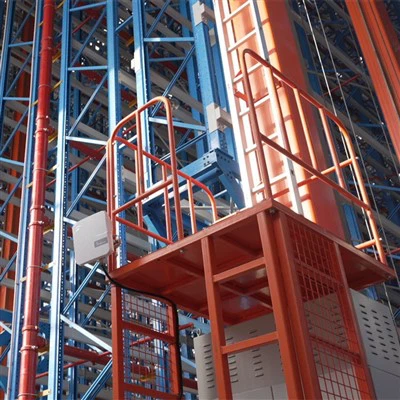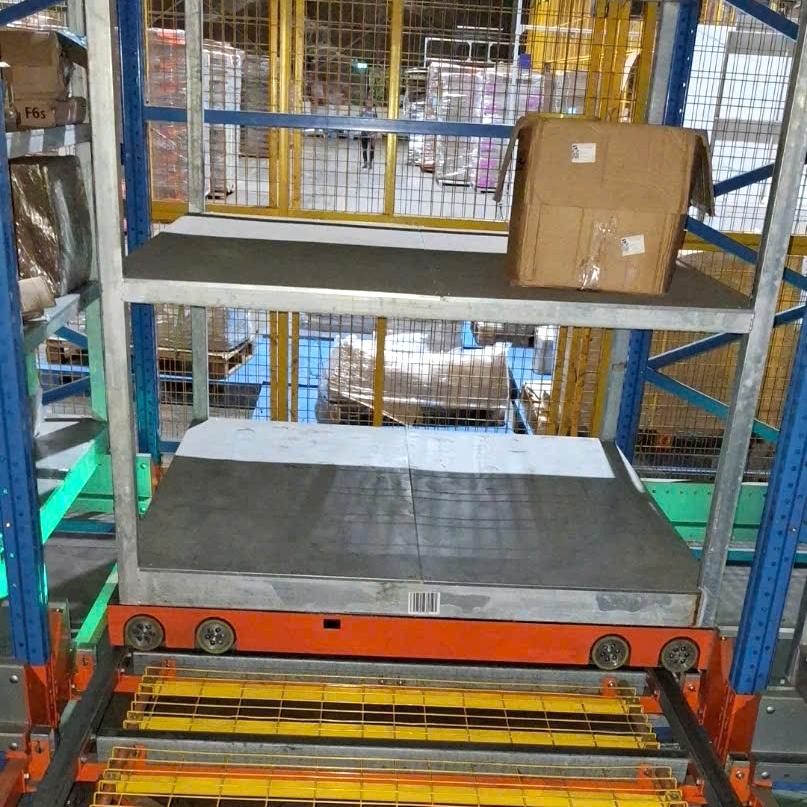
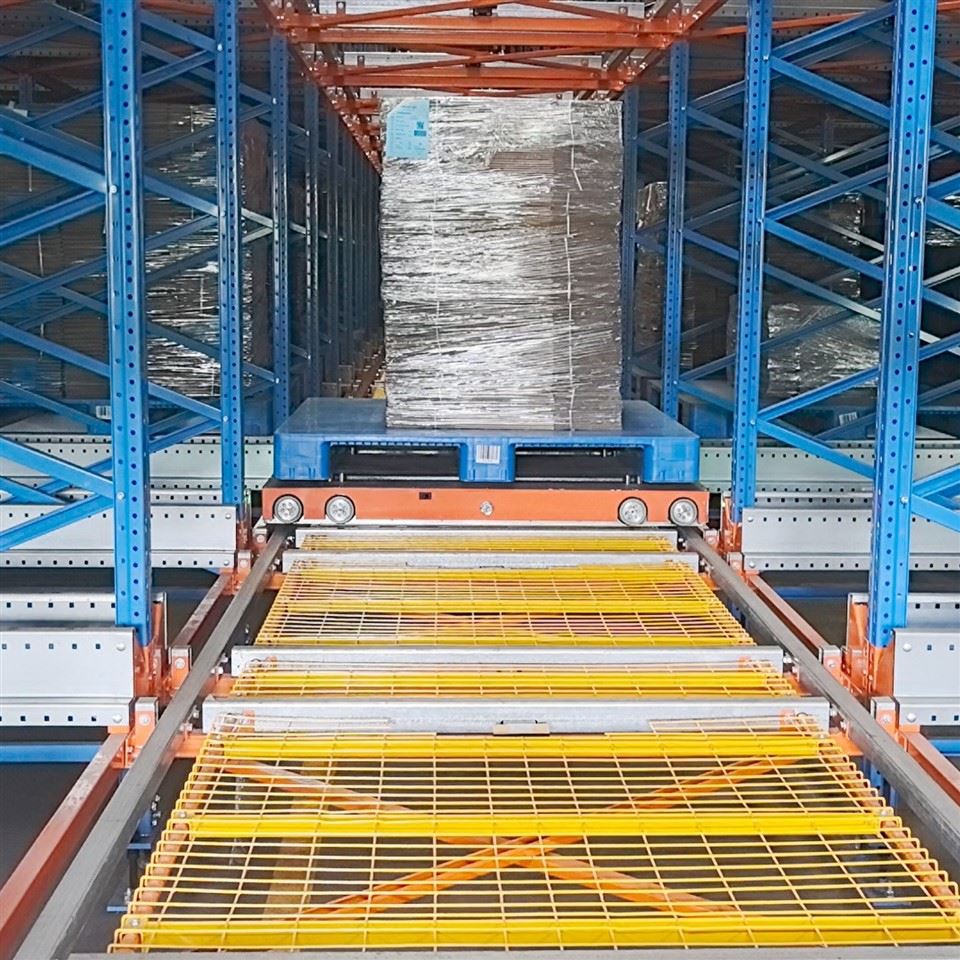
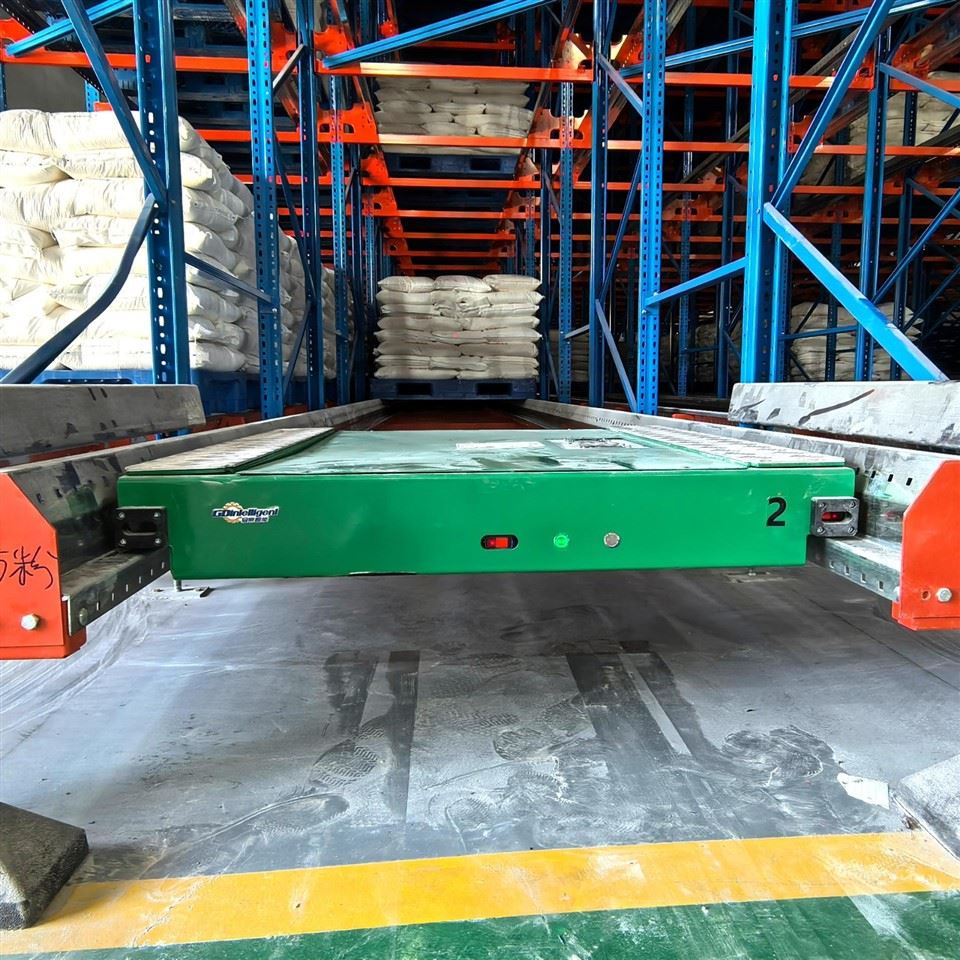
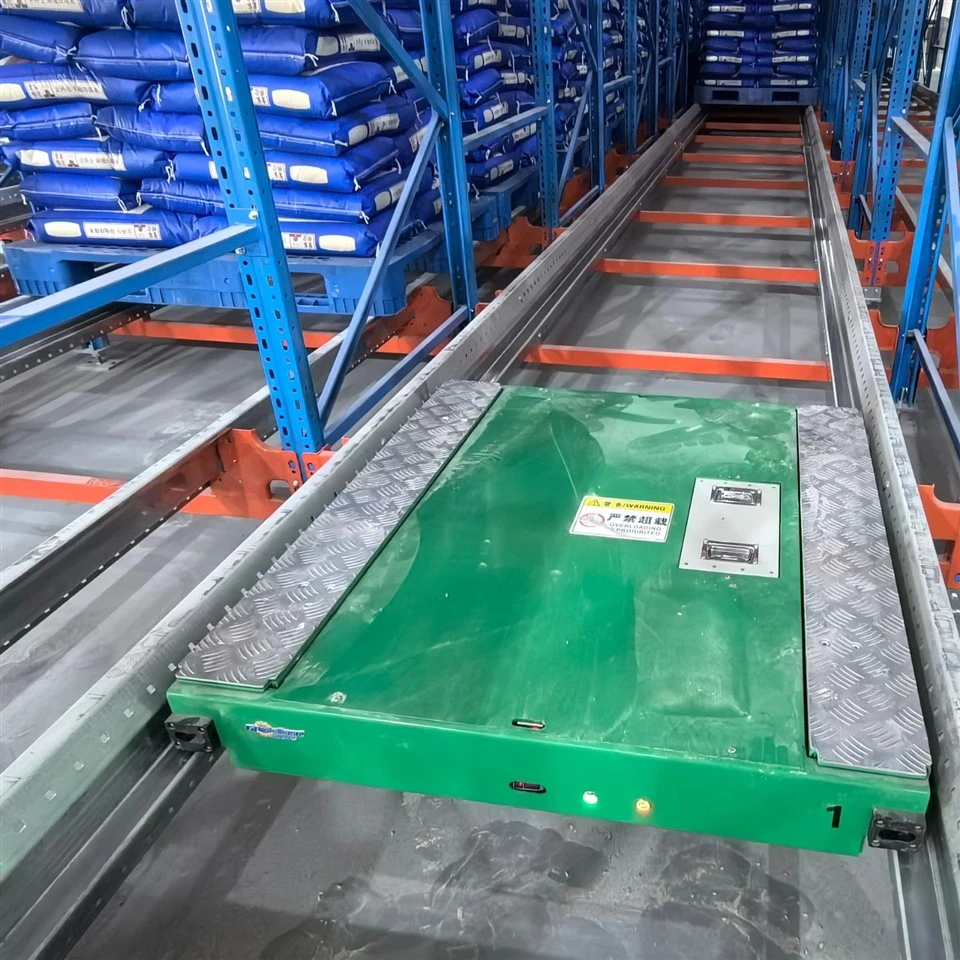
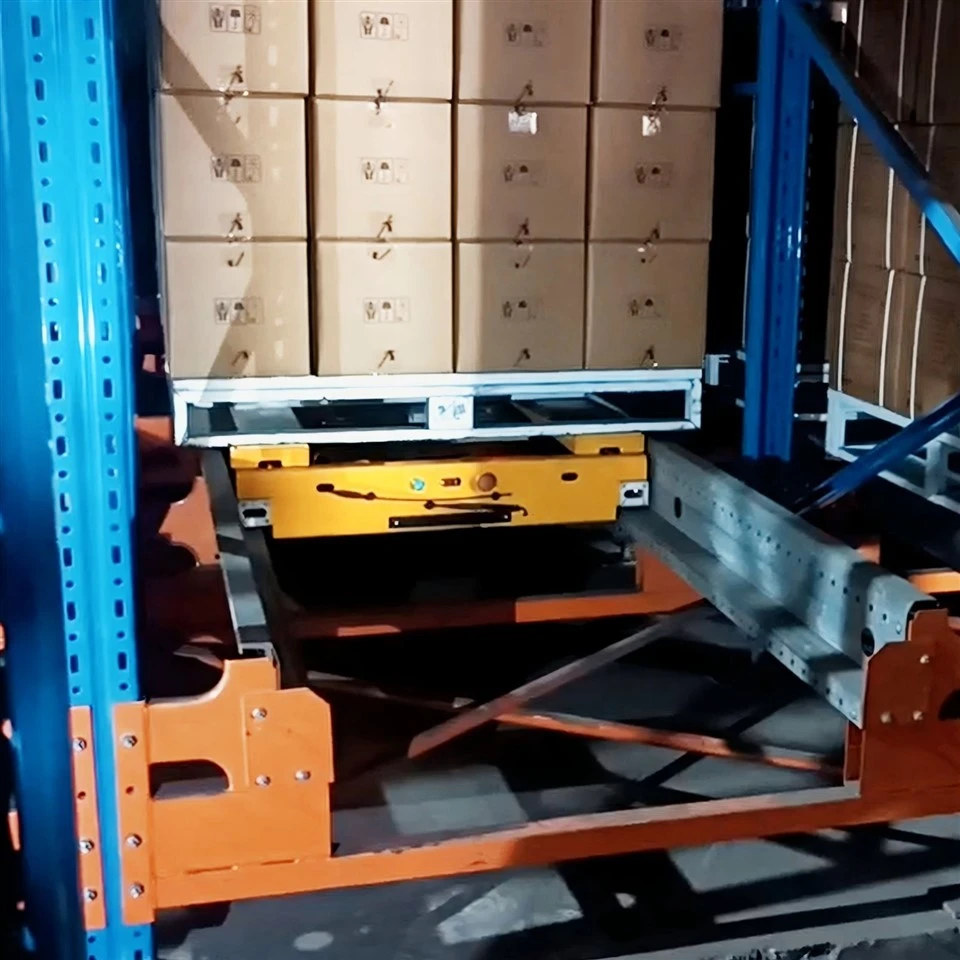
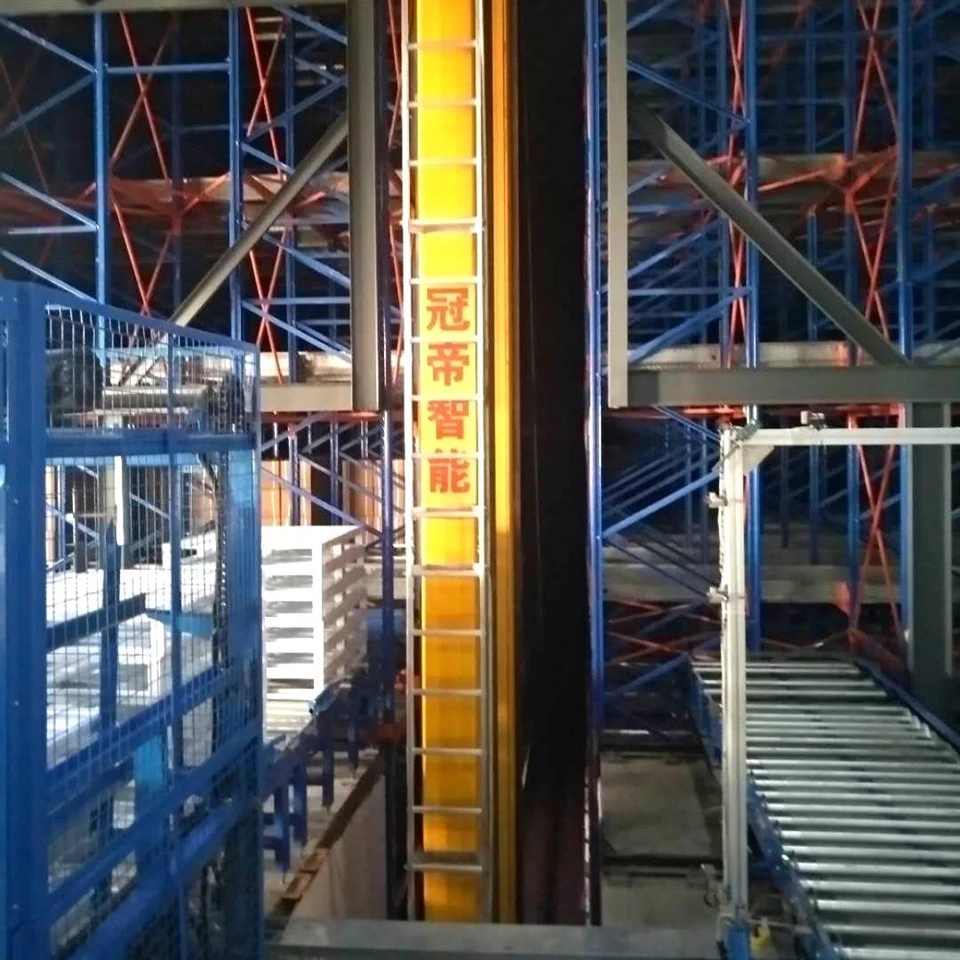
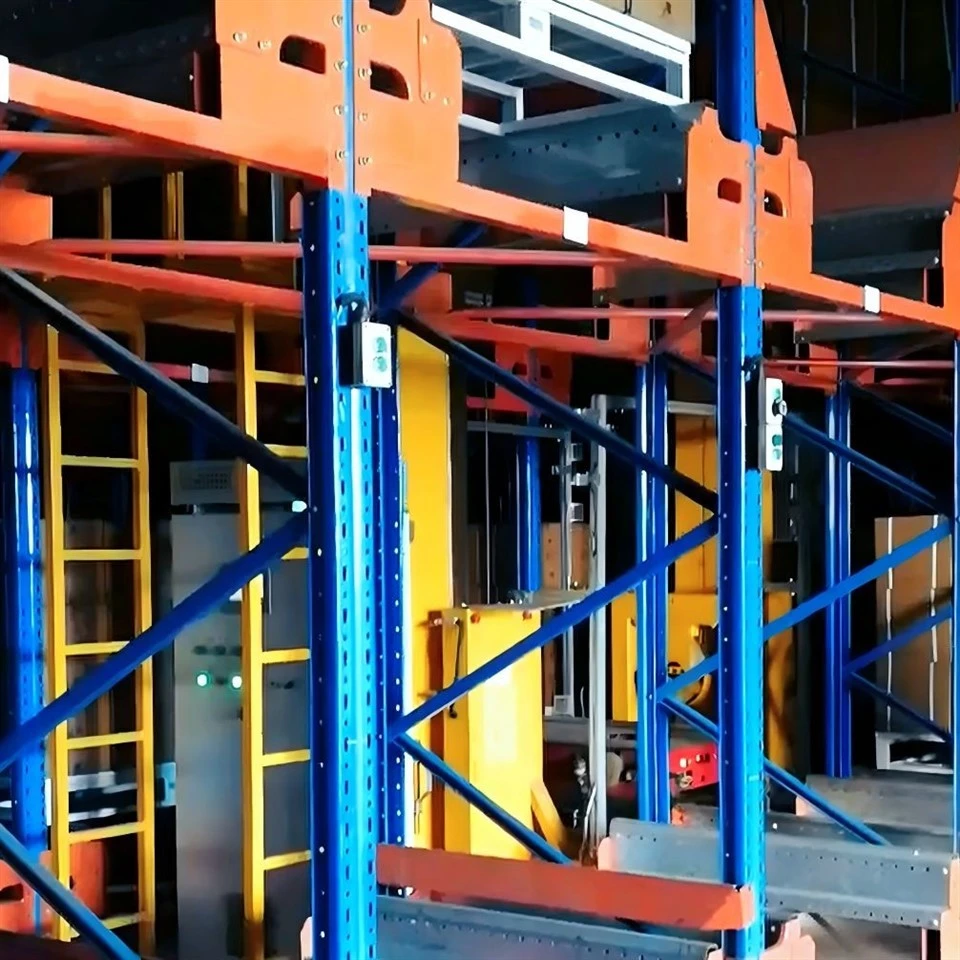

A shuttle-based storage and retrieval system is a pallet storage solution that uses shuttle technology to automate or assist pallet movement within a racking structure. It is designed to improve storage density and streamline pallet handling, particularly in warehouses managing large volumes of palletized goods.
Shuttles can operate alongside forklifts or work in coordination with stacker cranes, lifts and conveying equipment. These configurations support different storage depths, warehouse heights, handling capacities and levels of automation, allowing the system to match a wide range of operational requirements.
Types of Shuttle-Based Storage and Retrieval Systems
|
Comparison of Three Shuttle-Based Storage Systems |
|||
|
Comparison |
Shuttle Racking System |
Stacker Crane and Shuttle System |
Four-Way Shuttle AS/RS |
|
Main Equipment |
Two-Way Shuttle + Forklift |
Stacker Crane + Shuttle |
Four-Way Shuttle + Lift |
|
Automation Level |
Semi-automated |
Fully automated |
Fully automated |
|
Pallet Transfer |
Forklift at rack lane entrance |
Stacker crane transfers pallets to and from rack lanes |
Lifts and transfer equipment connect storage levels |
|
Storage Configuration |
Deep-lane storage |
Multi-deep, multi-level storage |
Multi-aisle, multi-level storage |
|
Operating Flexibility |
FIFO or LIFO, depending on rack layout |
Automated access to designated storage lanes |
Flexible shuttle movement across rack levels and aisles |
|
Typical Application |
Large quantities of similar or batch-based SKUs |
High-density storage with automated pallet handling |
High-density storage with flexible access and complex material flows |
Shuttle Racking System
Also known as: Two-Way Radio Shuttle Racking System

A shuttle racking system uses two-way radio shuttles to move pallets along deep storage lanes. Forklifts load pallets onto the shuttle at the lane entrance, and the shuttle transports them to available storage positions. For retrieval, the shuttle brings the required pallet back to the pickup point.
This is a semi-automated storage solution, as forklifts are still required for pallet transfer between the warehouse floor and rack lanes.
Operating Process:

1.A forklift places a pallet at the entrance of the designated rack lane.
2.The shuttle picks up the pallet and transports it to an available storage position.
3.The shuttle returns to the lane entrance or waits for the next task.
4.During retrieval, the shuttle moves the selected pallet back to the pickup point.
5.A forklift removes the pallet and transfers it to the next operation.
Key Characteristics:
·Deep-lane storage for high-density pallet inventory
·Reduced forklift travel inside rack lanes
·Flexible FIFO or LIFO configurations, depending on rack layout
·Suitable for large quantities of similar or batch-based SKUs
·A cost-effective upgrade from conventional drive-in racking
Stacker Crane and Shuttle System
Also known as: Stacker Crane-Based Multi-Deep Shuttle AS/RS

This configuration combines stacker cranes with shuttles to achieve automated multi-deep pallet storage and retrieval. The stacker crane handles pallet transfer between the storage aisle and designated rack lanes, while the shuttle moves pallets within the lanes.
This combination enables deeper storage configurations while maintaining automated pallet movement and centralized equipment coordination.
Operating Process:

1.Pallets are transferred to the system's inbound interface by conveyors or other handling equipment.
2.The stacker crane picks up a pallet and moves it to the designated storage aisle and level.
3.A shuttle receives the pallet and transports it to the assigned position within the rack lane.
4.For retrieval, the shuttle brings the selected pallet to the lane transfer point.The stacker crane transfers the pallet to the outbound interface.
5.A forklift or other equipments removes the pallet to the next process.
Key Characteristics:
·Automated pallet handling with multi-deep storage
·Combines vertical and horizontal pallet transportation
·Suitable for warehouses requiring greater storage depth
·Centralized coordination through WMS and WCS
·Flexible integration with conveyors and other material handling equipment
Four-Way Shuttle AS/RS

A four-way shuttle AS/RS uses four-way shuttles that can travel horizontally in both directions along the rack structure. Combined with vertical lifts and transfer equipment, the shuttles can access different storage aisles and levels.
The system enables automated pallet storage and retrieval across multiple levels and locations. WMS and WCS coordinate inventory management, task assignment and equipment movement to support integrated warehouse operations.
Operating Process:

1.Pallets enter the system through conveyors or other inbound handling equipment.
2.A vertical lift transfers the pallet to the designated storage level, according to the system configuration.
3.The four-way shuttle travels to the assigned rack location and completes pallet storage.
4.For retrieval, the shuttle travels to the target position and transfers the pallet to the designated lift or transfer interface.
5.The pallet is transported to the outbound area through the lifting and conveying system.
Key Characteristics:
·Multi-level and multi-aisle automated pallet storage
·Flexible horizontal movement in four directions
·High-density storage with adaptable rack configurations
·Automated equipment coordination through WMS/WCS
·Suitable for complex warehouse layouts and high-volume operations
Key Advantages of Shuttle-Based Storage Systems
High-Density Storage
Shuttles handle pallet movement within deep rack lanes, reducing the space required for forklift aisles and increasing the number of pallet positions within the available footprint.
01
Flexible Storage Configurations
From semi-automated shuttle racking to fully automated multi-level shuttle AS/RS, different configurations can be selected according to inventory characteristics, throughput requirements and investment plans.
02
Efficient Pallet Handling
Automated shuttle movement supports consistent pallet transfer within storage lanes, reducing repetitive forklift operations and manual intervention in storage areas.
03
Adaptability to Different Warehouse Environments
Shuttle-based systems can be designed for ambient, chilled and frozen storage environments. Equipment selection and configuration can be adapted to the required operating temperature and warehouse conditions.
04
Scalable System Design
Storage capacity, equipment quantity and handling interfaces can be planned according to current operational needs and anticipated future demand. The system layout can also consider potential expansion during the initial design stage.
05
Applications of Shuttle-Based Storage and Retrieval Systems
Shuttle-based storage solutions are suitable for industries that handle large volumes of palletized goods and require efficient use of warehouse space.
Food & Beverage
Finished goods, raw materials and packaged products
Cold Chain and Frozen Storage
High-density pallet storage in chilled and low-temperature warehouses.
Pharmaceuticals
Batch-based inventory storage and controlled pallet handling.
Manufacturing
Raw materials, components and finished goods.
Paper and Packaging
Palletized paper products and other bulky materials.
Third-Party Logistics (3PL)
High-volume pallet storage and distribution operations.
FAQ
Q1: What types of shuttle-based storage systems are available?
The main configurations include shuttle racking systems, stacker crane and shuttle systems, and four-way shuttle AS/RS. They differ in equipment configuration, automation level, storage depth and operating requirements.
Q2: Is a shuttle racking system fully automated?
No. A conventional two-way radio shuttle racking system is semi-automated. Shuttles move pallets inside rack lanes, while forklifts are still needed to load and retrieve pallets at the lane entrances.
Q3: What is the difference between a stacker crane and shuttle system and a four-way shuttle AS/RS?
A stacker crane and shuttle system uses stacker cranes to transfer pallets between the aisle and rack lanes, with shuttles handling movement within the lanes. A four-way shuttle AS/RS uses four-way shuttles to travel across the rack structure, typically working with lifts and transfer equipment to access multiple levels and aisles.
Q4: What pallet types can be handled by shuttle-based systems?
The system can be designed for different pallet dimensions, materials and load capacities. Standard pallet sizes and maximum loads should be confirmed during the design stage to ensure compatibility with the shuttles and racking structure.
Q5: Can shuttle-based storage systems operate in cold storage warehouses?
Yes. Shuttle-based systems can be configured for chilled and frozen warehouses. Shuttles, batteries, electrical components and other equipment must be selected or adapted for the specified operating temperature.
Q6: Can a shuttle-based system be integrated with WMS and WCS?
Yes. Automated shuttle systems can integrate with WMS and WCS for inventory management, task assignment and equipment coordination. The integration can also be extended to ERP systems and other warehouse automation equipment.
Q7: How do I choose the right shuttle-based storage system?
The selection depends on warehouse dimensions, pallet specifications, storage capacity, SKU characteristics, required throughput, automation level and investment budget. GD can evaluate these factors and recommend a suitable system configuration.
Hot Tags: shuttle based storage and retrieval system, China shuttle based storage and retrieval system manufacturers, suppliers, factory, Custom Pallet Stacker Crane AS RS, FIFO Pallet Stacker Crane System, LIFO Shuttle AS RS, Smart High Density Pallet Storage System, Stacker Crane Pallet Automated Storage and Retrieval System, Tray Mini Load AS RS