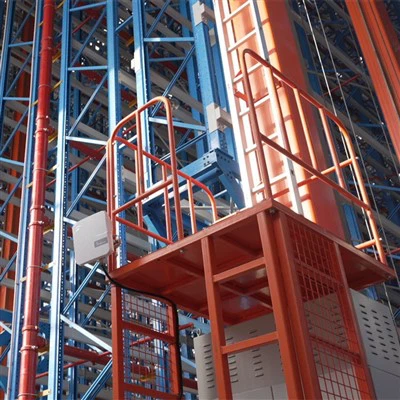
When it comes to optimizing warehouse storage and retrieval operations, shuttle racking systems have emerged as a game - changer. As a shuttle racking supplier, I've witnessed firsthand the numerous benefits these systems offer, such as high - density storage, improved efficiency, and reduced labor costs. However, when multiple shuttles are used within a shuttle racking system, a series of coordination issues can arise. In this blog, we'll explore these coordination challenges in detail.
1. Traffic Management
One of the most significant coordination issues when using multiple shuttles is traffic management. In a shuttle racking system, shuttles move along the racks to store and retrieve pallets. When multiple shuttles are operating simultaneously, there is a high risk of collisions. For example, if two shuttles are moving towards each other on the same lane, a collision can occur, which not only damages the shuttles but also disrupts the entire warehouse operation.
To address this issue, advanced traffic control systems are required. These systems use sensors and algorithms to monitor the position and movement of each shuttle in real - time. For instance, if a shuttle is approaching a section of the rack where another shuttle is already present, the traffic control system can send a signal to the approaching shuttle to stop or change its route. This ensures that shuttles can operate safely and efficiently without colliding with each other.
2. Task Allocation
Another crucial coordination aspect is task allocation. In a warehouse with multiple shuttles, different tasks such as pallet storage and retrieval need to be assigned to the shuttles in an optimal way. If tasks are not allocated properly, some shuttles may be over - loaded while others remain idle.
For example, consider a situation where there are five shuttles in a shuttle racking system. If a large number of storage tasks are assigned to only two shuttles, these shuttles will be constantly busy, leading to longer waiting times for other tasks. On the other hand, the remaining three shuttles will have little to do. To solve this problem, a task - allocation algorithm can be used. This algorithm takes into account factors such as the location of the pallets, the availability of the shuttles, and the priority of the tasks. By using this algorithm, tasks can be evenly distributed among the shuttles, improving overall system efficiency.
3. Communication and Synchronization
Effective communication and synchronization are essential for the smooth operation of multiple shuttles. Shuttles need to communicate with each other and with the central control system to ensure that they are working in harmony.
For example, when a shuttle is about to start a retrieval task, it needs to communicate its intention to other shuttles in the vicinity. This can prevent conflicts and ensure that the retrieval process is carried out smoothly. Additionally, shuttles need to be synchronized with the warehouse management system (WMS). The WMS provides instructions to the shuttles regarding the tasks to be performed, and the shuttles need to report back on the status of the tasks.
To achieve this, a reliable communication protocol is required. This protocol should be able to transmit data quickly and accurately between the shuttles and the central control system. For instance, wireless communication technologies such as Wi - Fi or Bluetooth can be used to establish a connection between the shuttles and the WMS.
4. Compatibility and Integration
When using multiple shuttles in a shuttle racking system, compatibility and integration issues can also arise. Different shuttles may have different specifications and capabilities, and they need to be integrated into the overall system seamlessly.


For example, if a new shuttle is added to an existing shuttle racking system, it needs to be compatible with the existing shuttles and the control system. This includes aspects such as the communication protocol, the power supply, and the load - handling capacity. If the new shuttle is not compatible, it may cause malfunctions in the system or lead to inefficiencies.
To ensure compatibility and integration, thorough testing and validation are required before introducing new shuttles into the system. The supplier should provide detailed specifications and support to ensure that the new shuttles can work together with the existing ones.
5. Maintenance and Repair Coordination
Maintenance and repair are inevitable in any shuttle racking system. When multiple shuttles are in use, coordinating maintenance and repair activities becomes more complex.
For example, if a shuttle breaks down, it needs to be removed from the system for repair without disrupting the operation of other shuttles. Additionally, regular maintenance tasks such as lubrication, inspection, and part replacement need to be scheduled in a way that minimizes downtime.
To manage maintenance and repair effectively, a preventive maintenance plan should be developed. This plan should include regular inspections, scheduled maintenance tasks, and a system for quickly responding to breakdowns. The supplier should also provide spare parts and technical support to ensure that any issues can be resolved promptly.
Different Types of Shuttle Racking Systems and Their Coordination Challenges
There are several types of shuttle racking systems, each with its own unique features and coordination challenges.
Two - way Pallet Shuttle Racking System
The Two - way Pallet Shuttle Racking System is a popular choice for warehouses with medium - density storage requirements. In this system, shuttles can move in two directions along the rack lanes. However, when multiple shuttles are used, the traffic management becomes more complex compared to a single - shuttle system. The shuttles need to be carefully coordinated to avoid collisions, especially when they are moving in opposite directions.
Radio Shuttle System
The Radio Shuttle System allows for remote control of the shuttles. This provides greater flexibility in task allocation and operation. However, the communication between the radio - controlled shuttles and the control system needs to be reliable. Any interference in the radio signal can lead to coordination issues, such as incorrect task execution or loss of control over the shuttles.
Four - Way Shuttle Racking System
The Four - Way Shuttle Racking System offers the highest level of flexibility as shuttles can move in four directions. This system is suitable for large - scale warehouses with high - density storage requirements. However, the coordination challenges are also more significant. With more movement options, the risk of collisions and traffic jams increases. Additionally, task allocation becomes more complex as the shuttles can move in multiple directions to perform tasks.
Conclusion
Using multiple shuttles in shuttle racking systems can significantly enhance warehouse efficiency and storage capacity. However, it also brings a series of coordination issues that need to be addressed. By implementing advanced traffic control systems, effective task - allocation algorithms, reliable communication protocols, and proper maintenance plans, these challenges can be overcome.
As a shuttle racking supplier, we are committed to providing high - quality shuttle racking systems and solutions to our customers. If you are interested in learning more about our shuttle racking systems or have any questions regarding the coordination issues mentioned in this blog, please feel free to contact us for a procurement discussion. We are here to help you optimize your warehouse operations and achieve the best results.
References
- Some industry - specific whitepapers on shuttle racking systems.
- Technical manuals of shuttle racking equipment.
- Case studies of warehouses using multiple shuttles in shuttle racking systems.