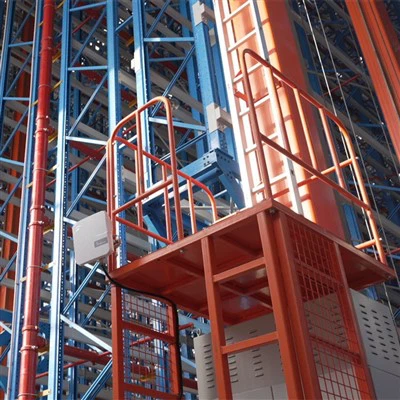
As a leading ASRS (Automated Storage and Retrieval System) supplier, we understand the critical importance of emergency stop procedures in ensuring the safety and reliability of these complex systems. In this blog, we will delve into the key aspects of emergency stop procedures for ASRS, providing you with a comprehensive understanding of how to handle unexpected situations effectively.
Understanding the Need for Emergency Stop Procedures
ASRS are highly automated systems that are designed to optimize storage and retrieval operations in warehouses and distribution centers. These systems typically consist of high-speed cranes, conveyors, and other automated equipment that can pose significant risks to personnel and property if not properly managed. Emergency stop procedures are essential to prevent accidents, minimize damage, and protect the well-being of workers.
Types of Emergency Stops
There are two main types of emergency stops in an ASRS: hard stops and soft stops.
Hard Stops
Hard stops are immediate and complete shutdowns of the ASRS. These stops are typically triggered by safety sensors or emergency buttons located throughout the system. When a hard stop is activated, all movement of the equipment stops instantly, and the system enters a safe state. Hard stops are used in situations where there is an immediate threat to personnel or equipment, such as a collision or a malfunction.


Soft Stops
Soft stops are more gradual shutdowns of the ASRS. These stops are used when there is a less urgent need to stop the system, such as when a maintenance issue is detected or when the system needs to be shut down for routine maintenance. Soft stops allow the system to come to a controlled stop, minimizing the risk of damage to the equipment.
Emergency Stop Procedures
The following are the general emergency stop procedures for an ASRS:
Step 1: Identify the Emergency
The first step in any emergency stop procedure is to identify the nature and severity of the emergency. This may involve visual inspection, sensor readings, or other diagnostic tools. Once the emergency has been identified, the appropriate response can be determined.
Step 2: Activate the Emergency Stop
If the emergency requires an immediate stop, the emergency stop button should be activated. This button is typically located in a prominent position near the equipment or in a central control room. When the button is pressed, the system will immediately stop all movement and enter a safe state.
Step 3: Notify the Appropriate Personnel
Once the emergency stop has been activated, the appropriate personnel should be notified. This may include maintenance technicians, supervisors, or safety officers. The personnel should be informed of the nature of the emergency and the location of the equipment.
Step 4: Assess the Situation
After the emergency stop has been activated, the situation should be assessed to determine the cause of the emergency and the extent of the damage. This may involve inspecting the equipment, reviewing sensor readings, or conducting other diagnostic tests.
Step 5: Take Appropriate Action
Based on the assessment of the situation, appropriate action should be taken to address the emergency. This may include repairing the equipment, replacing damaged components, or implementing preventive measures to avoid similar emergencies in the future.
Step 6: Resume Operations
Once the emergency has been resolved and the system has been tested to ensure its safety and functionality, operations can be resumed. Before resuming operations, it is important to ensure that all personnel are aware of the situation and that the appropriate safety procedures are in place.
Importance of Regular Maintenance and Training
In addition to having effective emergency stop procedures in place, it is also important to conduct regular maintenance and training to ensure the safety and reliability of the ASRS. Regular maintenance can help to identify and address potential issues before they become major problems, while training can ensure that personnel are aware of the emergency stop procedures and know how to respond in the event of an emergency.
Conclusion
Emergency stop procedures are an essential part of any ASRS. By understanding the types of emergency stops, the emergency stop procedures, and the importance of regular maintenance and training, you can ensure the safety and reliability of your ASRS. If you are interested in learning more about our Pallet ASRS Systems, Automated Miniload ASRS High-rise Racking, or ASRS Pallet Storage, please contact us to discuss your specific needs and requirements. We look forward to working with you to provide the best ASRS solutions for your business.