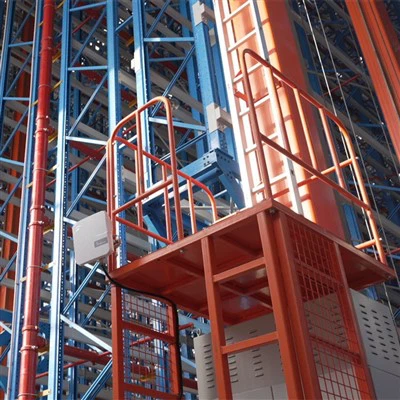
In the contemporary industrial landscape, Automated Storage and Retrieval Systems (ASRS) have emerged as a cornerstone of efficient warehouse management. As an ASRS automated storage supplier, I've witnessed firsthand the transformative power of these systems in streamlining operations, enhancing productivity, and optimizing space utilization. However, to fully harness the potential of ASRS, effective data management is crucial. This blog post will delve into the data management requirements for ASRS automated storage, exploring the key aspects that ensure seamless operation and maximum efficiency.


Data Collection and Integration
The first step in effective data management for ASRS is the collection and integration of relevant data from various sources. This includes data related to inventory levels, item characteristics, storage locations, and order information. By integrating this data into a centralized system, warehouse managers can gain a comprehensive view of their operations, enabling them to make informed decisions and optimize processes.
One of the primary sources of data for ASRS is the inventory management system. This system tracks the movement of goods in and out of the warehouse, providing real-time information on inventory levels, locations, and status. By integrating this data with the ASRS control system, warehouse managers can ensure that the system is operating efficiently and that inventory is being stored and retrieved in the most optimal manner.
In addition to inventory data, ASRS also requires data on item characteristics, such as size, weight, and shape. This information is used to determine the appropriate storage location for each item, ensuring that it is stored safely and efficiently. By integrating this data with the ASRS control system, warehouse managers can optimize the use of storage space and reduce the risk of damage to goods.
Another important source of data for ASRS is order information. This includes data on customer orders, such as order quantity, delivery date, and shipping address. By integrating this data with the ASRS control system, warehouse managers can ensure that orders are processed quickly and accurately, reducing the time it takes to fulfill customer orders and improving customer satisfaction.
Data Accuracy and Quality
In addition to collecting and integrating data, it is also important to ensure that the data is accurate and of high quality. This is essential for making informed decisions and optimizing processes. To ensure data accuracy and quality, it is important to implement a data validation process that checks the data for errors and inconsistencies. This can include checks for data completeness, data accuracy, and data consistency.
One of the key challenges in ensuring data accuracy and quality is the integration of data from multiple sources. This can lead to data duplication, data inconsistencies, and data errors. To address this challenge, it is important to implement a data integration process that ensures that the data is consistent and accurate across all systems. This can include data mapping, data transformation, and data cleansing.
Another important aspect of data accuracy and quality is the maintenance of data integrity. This includes ensuring that the data is protected from unauthorized access, modification, and deletion. To ensure data integrity, it is important to implement a data security policy that includes access controls, data encryption, and data backup and recovery.
Data Analysis and Reporting
Once the data has been collected, integrated, and validated, it is important to analyze the data to gain insights into the performance of the ASRS system. This can include analyzing data on inventory levels, order processing times, and system utilization. By analyzing this data, warehouse managers can identify areas for improvement and make informed decisions to optimize the performance of the ASRS system.
One of the key tools for data analysis is the use of data visualization techniques. This includes the use of charts, graphs, and dashboards to present the data in a clear and concise manner. By using data visualization techniques, warehouse managers can quickly identify trends and patterns in the data, enabling them to make informed decisions and take action to improve the performance of the ASRS system.
In addition to data analysis, it is also important to generate reports on the performance of the ASRS system. These reports can include information on inventory levels, order processing times, and system utilization. By generating reports on a regular basis, warehouse managers can track the performance of the ASRS system over time and identify areas for improvement.
Data Security and Privacy
In today's digital age, data security and privacy are of utmost importance. This is especially true for ASRS automated storage systems, which handle sensitive data such as inventory levels, customer orders, and employee information. To ensure the security and privacy of this data, it is important to implement a comprehensive data security policy that includes access controls, data encryption, and data backup and recovery.
One of the key aspects of data security is the use of access controls. This includes ensuring that only authorized personnel have access to the data and that access is restricted based on the user's role and responsibilities. By implementing access controls, warehouse managers can ensure that the data is protected from unauthorized access, modification, and deletion.
Another important aspect of data security is the use of data encryption. This includes encrypting the data both in transit and at rest to ensure that it is protected from unauthorized access. By using data encryption, warehouse managers can ensure that the data is secure and that it cannot be intercepted or stolen.
In addition to data security, it is also important to ensure the privacy of the data. This includes ensuring that the data is collected, used, and stored in accordance with applicable privacy laws and regulations. By ensuring the privacy of the data, warehouse managers can build trust with their customers and employees and protect their reputation.
Conclusion
In conclusion, effective data management is crucial for the successful operation of ASRS automated storage systems. By collecting and integrating data from various sources, ensuring data accuracy and quality, analyzing the data to gain insights, and implementing a comprehensive data security policy, warehouse managers can optimize the performance of the ASRS system and improve the efficiency of their operations.
If you are interested in learning more about ASRS automated storage and the data management requirements, please visit our website at ASRS Warehouse Automation or ASRS Automated Storage Retrieval System. Our team of experts is available to answer any questions you may have and to help you determine the best solution for your business. Contact us today to schedule a consultation and take the first step towards optimizing your warehouse operations.
References
- [Author Last Name, First Name. "Title of Article." Name of Journal, Volume, Issue, Publication Date, Page Numbers.]
- [Author Last Name, First Name. Book Title. Publisher, Publication Year.]
- [Website Name. "Title of Web Page." URL.]