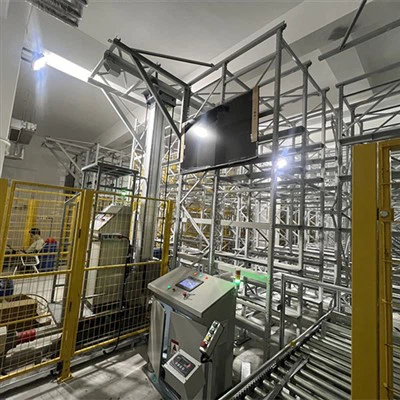
Hey there! As a supplier of selective pallet racking, I've seen firsthand how important fire safety is in warehouses and storage facilities. Selective pallet racking is a popular choice for many businesses because it offers easy access to pallets and efficient use of space. But with great storage comes great responsibility, especially when it comes to fire safety. So, let's dive into the fire-safety considerations for selective pallet racking.
Understanding the Fire Risk
First off, we need to understand why selective pallet racking can pose a fire risk. When you've got a bunch of pallets stacked on racks, it creates a large surface area of combustible materials. If a fire starts, it can spread quickly through the pallets and up the racks. Plus, the vertical nature of the racks can act like chimneys, drawing in oxygen and fueling the fire even more.
The type of goods stored on the racks also matters. Some products are more flammable than others. For example, if you're storing cardboard boxes filled with paper or plastic items, they'll burn much faster than pallets of metal parts. So, it's crucial to know what you're storing and how it might contribute to a fire.
Design and Installation
One of the first steps in ensuring fire safety is proper design and installation of the selective pallet racking. When we're designing the racking system, we need to consider the spacing between the racks. Adequate aisle width is essential for firefighters to access the area and for the sprinkler system to work effectively. A good rule of thumb is to have aisles that are at least 4 to 6 feet wide, depending on the size of the forklifts and other equipment used in the warehouse.
The height of the racks also plays a role in fire safety. Taller racks can create more challenges for firefighting. If the racks are too tall, it might be difficult for the sprinkler system to reach all the way to the top, and the fire can spread quickly upwards. So, we need to balance the need for storage space with the practicalities of fire safety.
Another important aspect is the construction material of the racks. We offer Steel Selective Pallet Racks because steel is a non-combustible material. It won't catch fire like wood or some plastics, which can help contain the fire and prevent it from spreading through the racking structure itself.
Sprinkler Systems
Sprinkler systems are a must-have for any warehouse with selective pallet racking. They're designed to detect and suppress fires quickly, before they can get out of control. There are different types of sprinkler systems available, and the right one for your warehouse depends on several factors, such as the type of goods stored, the height of the racks, and the layout of the facility.


For selective pallet racking, in-rack sprinklers are often recommended. These are installed within the racks themselves, close to the stored pallets. They can provide more targeted protection and are especially effective for suppressing fires in the middle of the racking system.
It's important to have the sprinkler system properly maintained and inspected regularly. A malfunctioning sprinkler system can be worse than having no system at all, as it gives a false sense of security. Make sure to follow the manufacturer's guidelines for maintenance and have a professional inspection at least once a year.
Storage Practices
How you store your pallets on the selective pallet racking can also impact fire safety. First, make sure the pallets are stacked evenly and securely. Unevenly stacked pallets can fall over during a fire, which can block aisles and make it harder for firefighters to access the area.
Avoid overloading the racks. Each rack has a maximum weight capacity, and exceeding it can not only cause structural damage but also increase the fire risk. If the racks are overloaded, they might collapse more easily during a fire, which can spread the fire and make it more difficult to control.
It's also a good idea to separate different types of goods based on their flammability. For example, store highly flammable items away from less flammable ones. This can help contain the fire if it starts and prevent it from spreading to other areas of the warehouse.
Fire Suppression and Extinguishers
In addition to sprinkler systems, having fire extinguishers available throughout the warehouse is essential. Make sure there are enough extinguishers, and they're located in easily accessible areas. Different types of fires require different types of extinguishers, so make sure you have the right ones for the types of goods stored in your warehouse.
For example, if you're storing flammable liquids, you'll need a Class B fire extinguisher. If it's mostly paper and cardboard, a Class A extinguisher will do the job. Train your employees on how to use the fire extinguishers properly, so they can take immediate action if a small fire breaks out.
Employee Training
Your employees are your first line of defense when it comes to fire safety. Make sure they're trained on fire safety procedures, including how to evacuate the building, how to use fire extinguishers, and what to do in case of a fire emergency. Regular fire drills are a great way to keep everyone prepared and ensure they know what to do in a real-life situation.
It's also important to educate your employees on the fire risks associated with selective pallet racking and how their actions can impact fire safety. For example, they should know not to block aisles or overload the racks.
Monitoring and Detection
Installing fire detection systems, such as smoke detectors and heat sensors, can help you detect a fire early. These systems can send alerts to your security team or directly to the fire department, allowing for a quicker response.
Regularly monitor the warehouse for any signs of fire hazards, such as frayed electrical wires or overheating equipment. Catching these issues early can prevent a fire from starting in the first place.
Emergency Planning
Finally, having a comprehensive emergency plan in place is crucial. The plan should include evacuation routes, assembly points outside the building, and procedures for notifying the fire department. Make sure all employees are familiar with the plan and know what to do in case of a fire.
Practice the emergency plan regularly through fire drills. This will help ensure that everyone can evacuate the building quickly and safely in a real emergency.
Conclusion
As a supplier of Single Selective Racking and Heavy Duty Selective Pallet Racking, I know that fire safety is a top priority for our customers. By considering these fire-safety factors in the design, installation, and use of selective pallet racking, you can minimize the risk of a fire and protect your employees, your inventory, and your business.
If you're in the market for selective pallet racking or need to upgrade your existing system, I'd love to talk to you. We can work together to design a system that meets your storage needs while also ensuring the highest level of fire safety. Don't hesitate to reach out for a consultation and let's get started on creating a safe and efficient storage solution for your business.
References
- NFPA 13: Standard for the Installation of Sprinkler Systems
- OSHA Fire Safety Regulations
- Industry best practices for warehouse fire safety