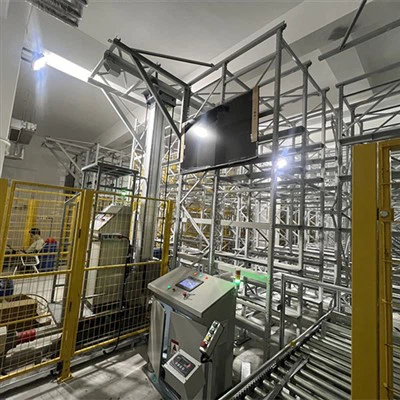
Hey there! As a supplier of Automated Storage and Retrieval Systems (ASRS), I've seen firsthand how these systems have revolutionized the way businesses handle their inventory. One of the most crucial aspects of any ASRS is safety. In this blog post, I'll be diving into the key safety features of an ASRS and why they're so important.
1. Physical Barriers and Enclosures
First off, physical barriers and enclosures are a fundamental safety feature. These structures are designed to keep people and unauthorized objects out of the ASRS operating area. For instance, we often install high - strength steel fences around the perimeter of the system. These fences are tall enough to prevent accidental entry and are equipped with interlocking gates. When a gate is opened, the ASRS automatically shuts down to prevent any potential collisions or injuries.
Imagine a busy warehouse where the High Speed Miniload ASRS is in operation. Without proper barriers, a worker could accidentally wander into the path of a fast - moving shuttle or crane. The physical enclosures act as a first line of defense, creating a clear separation between the dangerous operating area and the rest of the warehouse.
2. Safety Sensors
Safety sensors are another critical component of an ASRS. These sensors are strategically placed throughout the system to detect any potential hazards. There are several types of sensors commonly used:
Proximity Sensors
Proximity sensors are used to detect the presence of objects or people in the vicinity of moving parts. For example, on a Stacker Crane Pallet ASRS, proximity sensors can detect if a worker is getting too close to the crane. When the sensor detects an object within a pre - set distance, it sends a signal to the control system, which then slows down or stops the crane's movement.


Laser Scanners
Laser scanners are used to create a virtual safety zone around the ASRS. They continuously scan the area and can detect any unexpected obstacles. If an object is detected within the safety zone, the system can take immediate action, such as halting all operations. This is especially useful in areas where physical barriers may not be practical or where there is a need for a more flexible safety solution.
Load Sensors
Load sensors are used to monitor the weight and balance of the loads being handled by the ASRS. Overloading a shuttle or crane can lead to instability and potential accidents. Load sensors ensure that the system operates within its safe load capacity. If a load exceeds the specified limit, the system will alert the operator and prevent further movement until the issue is resolved.
3. Emergency Stop Buttons
Emergency stop buttons are a must - have safety feature in any ASRS. These buttons are located at easily accessible points throughout the system, including control panels, operator stations, and along the perimeter of the operating area. In case of an emergency, such as a malfunction or a worker in danger, anyone can press an emergency stop button to immediately halt all operations of the ASRS.
The emergency stop buttons are designed to be highly visible and easy to reach. They are usually large, red buttons with a clear label. Once pressed, the system is locked in a stopped state until the button is reset by an authorized person. This ensures that the system does not resume operation until the cause of the emergency has been investigated and resolved.
4. Safety Interlocks
Safety interlocks are used to ensure that certain conditions are met before the ASRS can operate. For example, a safety interlock may be used to prevent a shuttle from moving until the load has been properly secured. Another common use of safety interlocks is in the gate system. As mentioned earlier, the ASRS will not operate if a gate is open. This is achieved through a series of electrical and mechanical interlocks that ensure the system's safety.
Safety interlocks also play a role in the maintenance process. Before a technician can enter the operating area for maintenance, they must first deactivate the relevant safety interlocks. This ensures that the system remains in a safe state during maintenance and prevents accidental startup.
5. Fire and Smoke Detection
In a warehouse environment, fire is a significant risk. ASRS systems are often equipped with fire and smoke detection systems. These systems use sensors to detect the presence of smoke or fire. Once detected, the system can trigger an alarm and initiate a series of safety measures.
For example, the system may automatically shut down all electrical components to prevent the spread of fire. It may also activate sprinkler systems or other fire suppression measures. Some advanced ASRS systems can even communicate with the warehouse's central fire alarm system, providing early warning to all workers in the facility.
6. Operator Training and Safety Procedures
While all the technical safety features are important, the human element cannot be overlooked. Proper operator training is essential to ensure the safe operation of an ASRS. Operators should be trained on how to use the system correctly, how to recognize potential hazards, and what to do in case of an emergency.
In addition to training, clear safety procedures should be established and followed. These procedures should cover everything from daily startup and shutdown procedures to emergency response protocols. Regular safety audits and inspections should also be conducted to ensure that the system is operating safely and that all safety features are in good working condition.
Why Safety Features Matter
The safety features of an ASRS are not just a nice - to - have; they are essential for several reasons. Firstly, they protect the workers in the warehouse. A safe working environment reduces the risk of injuries and accidents, which can lead to lost productivity, medical costs, and legal issues.
Secondly, safety features help to protect the equipment itself. By preventing collisions, overloading, and other potential hazards, the system's lifespan is extended, and maintenance costs are reduced.
Finally, having robust safety features can enhance a company's reputation. Customers are more likely to do business with a company that prioritizes safety. It shows that the company is responsible and committed to providing a high - quality service.
Contact Us for Your ASRS Needs
If you're considering implementing an ASRS in your warehouse, or if you're looking to upgrade your existing system, we're here to help. Our team of experts can work with you to design an ASRS that meets your specific needs and includes all the necessary safety features. We offer a range of ASRS solutions, including the High Speed Miniload ASRS, Pallet Storage and Retrieval System, and Stacker Crane Pallet ASRS.
Don't hesitate to reach out to us to discuss your requirements and start the process of improving your warehouse's efficiency and safety.
References
- Industry standards for ASRS safety
- Manufacturer's documentation for ASRS components
- Warehouse safety best practices guides