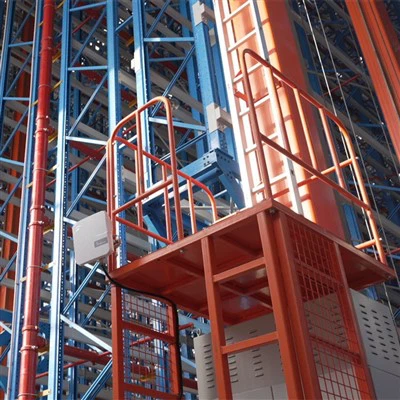
What is the installation sequence for a large steel platform?
As a seasoned supplier of steel platforms, I've witnessed firsthand the importance of a well - orchestrated installation sequence for large steel platforms. Whether it's a Multi - level Steel Platform, a Steel Structure Equipment Platform, or a Warehouse Steel Platform, each project demands a meticulous approach to ensure safety, efficiency, and long - term stability.
1. Site Preparation
The installation process begins long before the actual steel components arrive on - site. A thorough site inspection is crucial. First, we need to assess the ground conditions. The ground must be level and have sufficient bearing capacity to support the weight of the steel platform. Any unevenness can lead to stress concentrations in the structure, potentially causing long - term damage. In some cases, soil testing may be required to determine the appropriate foundation type.
Next, we mark out the boundaries of the platform on the ground. This involves using surveying equipment to ensure accurate placement. All obstacles, such as debris, rocks, or existing structures that may interfere with the installation, should be removed. Additionally, utilities in the area need to be identified and protected. This includes water pipes, electrical cables, and gas lines.
2. Foundation Installation
The foundation is the backbone of the steel platform. For large steel platforms, there are several types of foundations that can be used, depending on the site conditions and the design requirements.
Concrete footings are a common choice. These are poured into pre - dug holes and reinforced with steel bars. The size and depth of the footings are determined by the load that the platform will bear. Once the concrete is poured, it needs to cure properly. This usually takes several days, during which time it should be kept moist to ensure maximum strength.
Another option is pile foundations. Piles are driven deep into the ground to reach more stable soil layers. They can be made of steel, concrete, or wood. Pile foundations are particularly useful in areas with soft or unstable soil.
3. Column Installation
Columns are the vertical supports of the steel platform. They are typically made of steel sections, such as I - beams or H - beams. Before installation, the columns are carefully inspected for any damage or defects.
The columns are lifted into place using cranes. They are then bolted or welded to the foundation. It is essential to ensure that the columns are perfectly vertical. This is done using plumb bobs and laser levels. Once the columns are in place, they are braced temporarily to prevent them from swaying during the installation of other components.
4. Beam Installation
Beams are the horizontal members that connect the columns. They provide the main structural support for the platform deck. Like the columns, the beams are made of steel sections and are inspected before installation.
The beams are lifted and placed on top of the columns. They are then connected to the columns using bolts or welding. The connections must be strong enough to transfer the loads from the deck to the columns. During the installation, it is important to ensure that the beams are properly aligned and spaced according to the design specifications.
5. Deck Installation
The deck is the surface of the steel platform where people and equipment will operate. There are different types of decking materials available, such as steel grating, plywood, or concrete slabs.
Steel grating is a popular choice due to its strength, durability, and open design, which allows for good drainage and ventilation. The grating panels are placed on top of the beams and secured using clips or bolts.
Plywood decks are often used when a smooth surface is required. They are easy to install and can be covered with a non - slip coating for safety.
Concrete slabs provide a solid and stable surface. They are poured on top of the steel framework and reinforced with steel bars. The concrete needs to be properly cured to ensure its strength.
6. Stair and Handrail Installation
Stairs and handrails are essential for safe access to the steel platform. The stairs are designed to provide a comfortable and safe means of climbing up and down the platform. They are usually made of steel and are connected to the platform structure.
Handrails are installed along the edges of the platform and the stairs. They provide a barrier to prevent falls. Handrails are typically made of steel pipes and are welded or bolted to the columns and beams.
7. Final Inspection and Testing
Once the installation is complete, a final inspection is carried out. This involves checking all the connections, the alignment of the components, and the overall stability of the platform.
Load testing may also be required to ensure that the platform can support the design loads. This involves applying a specified load to the platform and monitoring its performance. Any issues or defects identified during the inspection and testing are addressed immediately.
Why Choose Our Steel Platforms?
At our company, we take pride in providing high - quality steel platforms. Our products are designed and manufactured to meet the highest industry standards. We use only the best materials and the latest manufacturing techniques to ensure the durability and reliability of our platforms.
Our experienced installation team has a wealth of knowledge and expertise in installing large steel platforms. They are trained to follow the strictest safety protocols and ensure that the installation is carried out efficiently and effectively.
If you are in the market for a large steel platform, whether it's a Multi - level Steel Platform, a Steel Structure Equipment Platform, or a Warehouse Steel Platform, we would be delighted to discuss your requirements. Contact us today to start the conversation about your steel platform project.


References
- "Steel Structures: Design and Behavior" by Salmon, Johnson, and Malhas.
- "Structural Steel Design" by McCormac and Brown.
- Industry standards and codes related to steel platform installation.