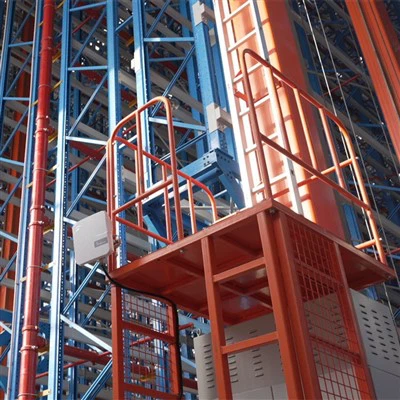
Hey there! As a supplier of Warehouse Steel Platforms, I often get asked about the structural stability of these platforms. So, I thought I'd take a moment to break it down for you.
First off, let's talk about what we mean by structural stability. In simple terms, it's all about how well a warehouse steel platform can hold up under different loads and conditions. A stable platform is one that can support the weight of the goods stored on it, as well as any equipment or people moving around. It also needs to be able to withstand external forces like wind, earthquakes, and vibrations.
One of the key factors that affect the structural stability of a warehouse steel platform is the design. A well - designed platform takes into account the specific needs of the warehouse, such as the type of goods to be stored, the height of the platform, and the layout of the warehouse. For example, if you're storing heavy machinery, the platform needs to be designed with stronger beams and columns to support the extra weight.
The materials used in the construction of the platform also play a crucial role. High - quality steel is the go - to material for most warehouse steel platforms. Steel is known for its strength, durability, and resistance to corrosion. When choosing steel, it's important to ensure that it meets the relevant industry standards. This ensures that the platform can withstand the expected loads and environmental conditions.
Another important aspect is the installation process. A proper installation is essential for the structural stability of the platform. The platform needs to be installed on a solid foundation. If the foundation is not level or strong enough, it can lead to uneven stress on the platform, which may cause it to deform or even collapse. Professional installers will use the right tools and techniques to ensure that the platform is installed correctly.
Now, let's take a look at some of the different types of warehouse steel platforms and how their design affects stability.
Steel Structure Equipment Platform
A Steel Structure Equipment Platform is often used to support heavy equipment. These platforms are designed with a robust structure to handle the weight and vibrations of the equipment. They usually have a grid - like structure made of steel beams and columns. The grid design helps to distribute the weight evenly across the platform, which enhances its stability.
Warehouse Steel Platform
The Warehouse Steel Platform is a more general - purpose platform used for storing goods. It can be single - level or multi - level. The stability of a single - level platform depends on the strength of its columns and the connection between the beams and columns. For multi - level platforms, additional factors come into play, such as the stability of the stairs and ramps connecting the levels.
Multi - level Steel Platform
A Multi - level Steel Platform is a great way to maximize the storage space in a warehouse. However, it also presents some unique challenges when it comes to structural stability. The higher the platform, the more important it is to ensure that the structure can withstand lateral forces, such as wind. Engineers use advanced design techniques to calculate the forces acting on the platform and design it accordingly.
To ensure the long - term structural stability of a warehouse steel platform, regular inspections and maintenance are necessary. Over time, the platform may experience wear and tear, especially if it's exposed to harsh environmental conditions. Inspections can help identify any potential issues early on, such as corrosion, loose connections, or damaged components. Maintenance tasks may include painting to prevent corrosion, tightening bolts, and replacing worn - out parts.
In conclusion, the structural stability of a warehouse steel platform is a complex but crucial aspect. It involves careful design, the use of high - quality materials, proper installation, and regular maintenance. As a supplier, we take all these factors into consideration to provide our customers with the best - quality platforms.


If you're in the market for a warehouse steel platform and want to learn more about how we can ensure its structural stability, or if you have any specific requirements, don't hesitate to reach out. We're here to help you make the right choice for your warehouse. Whether you need a simple single - level platform or a complex multi - level structure, we've got you covered.
References
- Steel Construction Manual, American Institute of Steel Construction
- Structural Design of Steel Buildings, Lin, T. Y., & Stotesbury, J. W.